India's Hidden Rental Revolution: How Housewives Are Building Jewelry & Clothing Empires
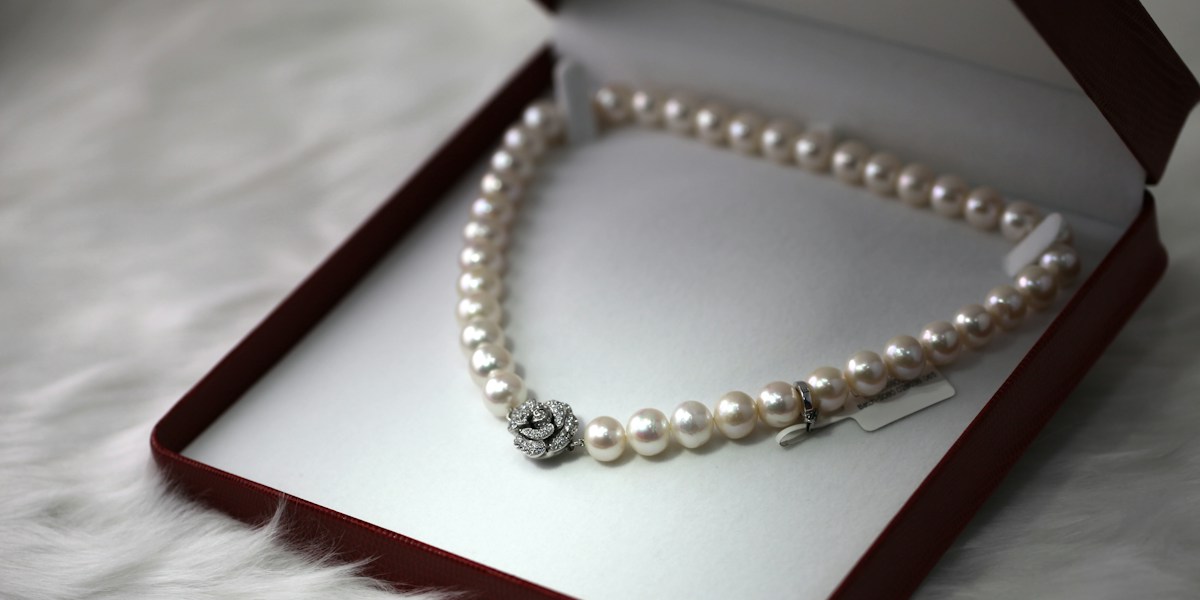
In a residential neighborhood of Bangalore, Lakshmi Devi opens her steel almirah every Saturday morning. Inside lies not just her personal collection of gold jewelry and silk sarees—but the foundation of a thriving rental business that earns her $600 monthly. She’s part of a silent revolution transforming how India thinks about ownership, access, and entrepreneurship.
Welcome to India’s peer-to-peer rental economy, where millions of housewives are turning traditional assets into income streams, one wedding at a time.
The Humongous Hidden Opportunity
India’s wedding industry is valued at $50-75 billion annually, making it one of the largest in the world. With approximately 10 million weddings each year and an average spend of $15,000-$30,000 per wedding, the pressure on families to present well is immense.
Yet here’s the paradox: while Indian households collectively hold an estimated 25,000 tonnes of gold—more than any central bank in the world—much of it sits unused in lockers for 350+ days a year. The same applies to expensive designer lehengas and banarasi sarees that cost lakhs but may be worn only once.
“Why should a beautiful Kanjeevaram saree worth $950 sit in a cupboard for years? When my neighbor needed one for her daughter’s wedding, renting made sense for both of us.” — Sunita Rao, Chennai-based home entrepreneur
The shift from “buy and store” to “rent and return” is creating opportunities that formal businesses are only beginning to understand.
Unpacking How This Business Model Works
Unlike organized rental stores, the informal jewelry and clothing rental market operates on something far more powerful: trust and community networks.
The WhatsApp Economy
Most transactions happen through WhatsApp groups—neighborhood aunties groups, women’s association chats, and alumni networks. A typical rental inquiry might look like:
“Does anyone have a heavy gold necklace set for my sister’s reception on 15th? Budget: $25-35 for 2 days. Will return cleaned.”
Within hours, multiple offers pour in, complete with photos and references. No app downloads, no KYC verification—just community reputation at work.
Pricing Models
Rental rates typically follow occasion-based pricing:
| Item Type | Purchase Cost | Rental (2-3 days) | ROI per Year |
|---|---|---|---|
| Gold necklace set | $3,600-6,000 | $35-60 | 8-12 rentals = 15-20% |
| Designer lehenga | $600-1,800 | $25-95 | 10-15 rentals = 40-60% |
| Banarasi saree | $360-950 | $18-35 | 12-20 rentals = 50-70% |
| Temple jewelry set | $180-480 | $10-25 | 15-25 rentals = 60-80% |
The economics are compelling: a well-maintained collection can generate 40-60% annual returns on the original investment—far exceeding traditional savings instruments.
From Side Gig to Paying the Mortgage
Urban Success: Priya’s Bridal Collection, Bangalore
Priya Sharma started with her own wedding jewelry and five sarees in 2019. Today, she manages a collection worth $30,000 and serves 15-20 clients monthly through Instagram and WhatsApp.
Her secret? Specialization and service.
“I focus only on South Indian temple jewelry and Kanjeevaram sarees. I personally deliver, help with styling, and even coordinate with the makeup artist. That’s why brides pay premium rates.”
Monthly revenue: $950-1,450 during wedding season.
Rural Collective: The Patan Patola Circle, Gujarat
In rural Gujarat, 12 women from Patan formed a rental collective in 2021. Each contributed their family’s Patola sarees—handwoven pieces worth $1,200-3,600 each that were sitting unused.
Together, they market a collection of 40+ pieces to wedding planners across Gujarat and Rajasthan. Revenue is split based on whose items are rented, with 10% going to a common maintenance fund.
Annual collective earnings: $22,000-26,000, distributed among members.
What Are People Actually Renting?
The rental market spans the full spectrum of Indian wedding and festival needs:
Jewelry Categories
- Gold sets: Heavy bridal pieces for mehendi, sangeet, and main ceremonies
- Polki and Kundan: North Indian style sets for destination weddings
- Temple jewelry: Traditional South Indian pieces for religious ceremonies
- Artificial/Fashion jewelry: Budget-friendly options for pre-wedding events
Clothing Categories
- Bridal lehengas: Designer and boutique pieces in various weights
- Banarasi and Kanjeevaram sarees: Heirloom-quality weaves
- Anarkalis and gowns: Reception and cocktail wear
- Men’s sherwanis: Growing demand for groom and groomsmen
Accessories
- Maang tikkas and haath phools: Intricate head and hand pieces
- Kamarbandhs: Traditional waist belts
- Bridal clutches and potlis: Matching accessories
Finding Deals in the City and the Country
Metro Cities (Delhi, Mumbai, Bangalore, Chennai)
- Drivers: Cost consciousness among millennials, sustainability awareness, Instagram influence
- Growth: 30-35% annually
- Average transaction: $60-180
- Technology adoption: High (dedicated apps, Instagram businesses)
Tier-2 Cities (Jaipur, Lucknow, Coimbatore, Surat)
- Drivers: Rising aspirations, wedding destination culture
- Growth: 40-45% annually (fastest growing)
- Average transaction: $25-95
- Technology adoption: Medium (WhatsApp-first)
Rural India
- Drivers: Economic necessity, community traditions of sharing
- Growth: 20-25% annually
- Average transaction: $6-25
- Technology adoption: Low (word of mouth, local networks)
“In villages, we’ve always shared jewelry for weddings—it’s called ‘mangni’ in our community. What’s changed is that now we formalize it with small payments. It helps both parties.” — Kamla Devi, rural entrepreneur from Rajasthan
The Apps Propelling This Shift
While the market remains largely informal, technology is beginning to organize it:
Social Commerce Platforms
- Instagram businesses: Over 50,000 jewelry/clothing rental accounts active in India
- Facebook Marketplace: Growing adoption for local rentals
- WhatsApp Business: Catalogs and quick replies enabling scale
Dedicated Rental Apps
Several startups are entering the space:
- Flyrobe/Stage3: Designer wear rentals for metros
- RentItBae: Bridal and occasion wear
- Local apps: Regional players in specific cities
Payment Solutions
- UPI/GPay/PhonePe: Enabling instant, trust-free payments
- Security deposits: Often held via digital wallets
- EMI options: For high-value rentals
The Roadblocks and How to Smash Them
Trust and Verification
Challenge: How do you lend $3,600 jewelry to a stranger?
Solutions being used:
- Aadhaar-linked verification for new customers
- Security deposits (50-100% of item value)
- References from mutual connections
- Photo documentation before and after
Damage and Loss
Challenge: Expensive items can be damaged or lost.
Solutions:
- Clear rental agreements (even informal WhatsApp ones)
- Insurance tie-ups (emerging)
- Damage deposits with pre-agreed deduction rates
- Dry cleaning requirements for clothing returns
Maintenance Costs
Challenge: Jewelry needs polishing; clothes need professional cleaning.
Solutions:
- Building maintenance costs into rental pricing
- Partnerships with local jewelers and dry cleaners
- DIY maintenance training via YouTube
The Sustainability Angle
Beyond economics, this rental revolution aligns with growing sustainability consciousness:
- Reduced consumption: One lehenga serves 20+ brides instead of sitting in closets
- Extended product life: Well-maintained pieces last decades
- Lower carbon footprint: Less manufacturing, less waste
- Circular economy: Assets continuously generate value
For younger, environmentally-conscious consumers, renting isn’t just affordable—it’s the responsible choice.
The Road Ahead
The informal jewelry and clothing rental market in India is estimated at $2-2.5 billion and growing at 25-30% annually. As technology platforms mature and trust mechanisms improve, expect:
- Formalization: More organized platforms connecting renters and owners
- Insurance products: Tailored coverage for rental businesses
- Quality standardization: Ratings and reviews creating accountability
- Cross-city logistics: Enabling rentals beyond local networks
- Male participation: Growing interest from men managing family assets
What’s Your Next Move?
What started as neighbors sharing sarees has evolved into a sophisticated, technology-enabled economy that’s creating financial independence for millions of Indian women. The beauty of this model? It requires no external investment, leverages existing assets, and builds on India’s strongest currency—community trust.
For housewives across India, the family jewelry box is no longer just a store of value. It’s a business waiting to happen.